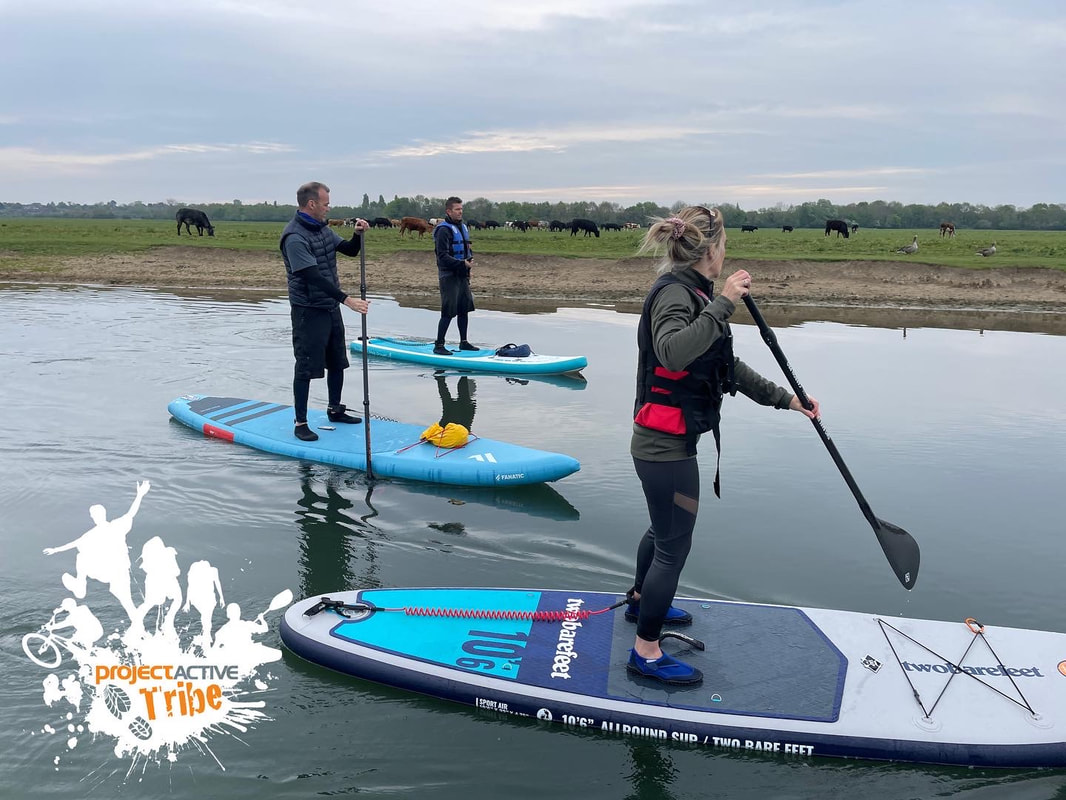
What to Wear Stand-Up Paddleboarding (SUP) Choosing the right gear for paddleboarding is all about balancing breathability, flexibility, and water management. Forget heavy cotton hoodies or denim—they soak up water like a sponge and drag you down.
Instead, think "High-Performance Gym Meets Great Outdoors." You want synthetic, moisture-wicking fabrics that stay lightweight even if you take an unexpected dip, while providing a shield against that inevitable breeze.
🌸 Spring: The Transition Layer Spring paddling is beautiful but unpredictable. The air is warming up, but the water is still bracing.
Top: A long-sleeved technical gym tee or a lightweight UV-rated rash guard.
Bottom: Full-length athletic leggings or "running tights." These protect against wind chill and sun.
The Wind Shield: Keep a lightweight, packable windbreaker in your dry bag. If the breeze picks up mid-lake, you’ll be glad you have it.
Feet: Neoprene booties or old sneakers you don’t mind getting wet.
☀️ Summer: Keep it Light & Shielded In the heat of summer, your biggest enemies are UV rays and overheating.
Top: A moisture-wicking tank top or a short-sleeved gym shirt.
Bottom: Board shorts or athletic "bikers" shorts. Look for materials like polyester or nylon blends that dry in minutes.
The "Stay Dry" Secret: Avoid "heavy" gym sweats. Stick to thin, "silky" synthetics that allow water to bead off rather than soak in.
Essentials: A polarized hat and high-SPF sunscreen.
🍂 Autumn: Beating the Chill As the air cools, the goal is to keep your core warm without restricting your paddling stroke.
Top: Layering is key. Start with a synthetic base layer and add a fleece-lined athletic zip-up. Fleece is a wonder-material for SUP because it retains heat even when damp.
Bottom: Thicker "cold-weather" running leggings. These often have a brushed interior to block wind.
The Wind Shield: A vest (gilet) is a paddler’s best friend in autumn. It keeps your chest warm and protected from the wind while leaving your arms free for a full range of motion.
❄️ Winter: Safety First Note: If you are paddling in freezing water, we always recommend a dedicated drysuit or thick wetsuit. For a quick, calm winter session where you plan to stay dry:
Top: Thermal compression gear topped with a waterproof shell.
Bottom: Thermal leggings under water-resistant track pants.
Accessories: Neoprene gloves and a wool beanie. Remember, most body heat escapes through your head!
💡 Pro-Tips for Every Season
The "No-Go" Fabric: Never wear Cotton. It’s heavy, it stays wet, and it actually pulls heat away from your body when damp (a phenomenon called "cotton-kill").
The SUP Checklist: Everything You Need to Hit the Water
Whether you’re a beginner or a seasoned paddler, having the right gear is the difference between a relaxing glide and a stressful swim. Here is the essential equipment you need to get started safely and stylishly.
1. The Big Three (The Essentials)
The Board: * Inflatable (iSUP): Perfect for most paddlers. They are portable, easy to store, and surprisingly rigid.
Hard Board: Best for performance, racing, or if you live right on the water and want a superior "glide" without the pump time.
The Paddle: * Look for an adjustable paddle so you can share it with friends.
Pro Tip: Your paddle should be roughly 6–8 inches taller than you. When you stand the paddle up, you should be able to comfortably rest your palm on the T-grip at the top.
The Leash: * Coiled Leash: Best for flat water (lakes/canals). It stays on the board and won’t drag in the water.
Quick-Release Waist Leash: Essential if you are paddling in moving water or rivers. It allows you to detach instantly if your board gets caught on an underwater obstacle.
2. Safety First (Non-Negotiables)
Buoyancy Aid (PFD): Even if you’re a strong swimmer, a PFD is vital. Modern SUP buoyancy aids are cut high under the arms so they don't chafe while you paddle.
Dry Bag: A 10L or 20L waterproof bag to clip onto the front of your board. Use it to store your car keys, a spare layer, and snacks.
Waterproof Phone Pouch: Always keep your phone on your person (in your PFD pocket), not just in the dry bag. If you fall in and get separated from your board, you need to be able to call for help.
3. The "Nice-to-Haves" for a Better Day
Electric Pump: If you have an inflatable board, an electric pump that plugs into your car’s 12V socket is a total game-changer. Save your energy for the water!
Water Shoes: Protect your feet from sharp stones or slippery launch ramps. Look for thin-soled versions so you can still "feel" the board under your feet.
Towel Poncho: The ultimate luxury for a car-park change. It keeps you warm and decent while you peel off your damp gym gear.
If your hiring from Project ACtive, this what you are getting -